Briefing@elliotxbuh078
Seborrheic Keratosis
4 min read
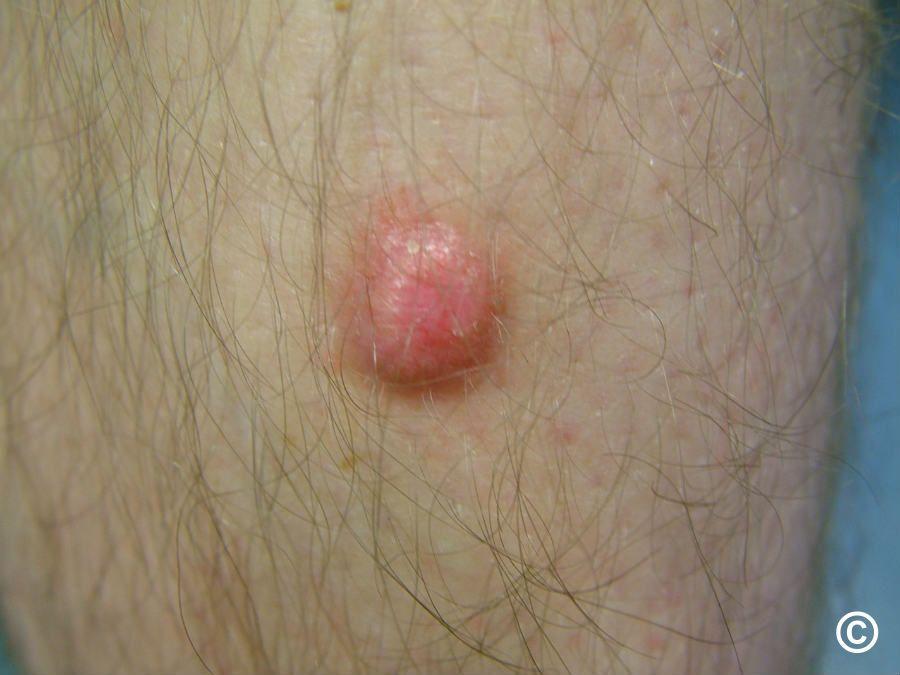
Seborrheic Keratosis: Reasons And Therapy They have actually been reported to happen in individuals of all ages including children as young as age 15 years. Familial situations of seborrheic keratosis (SK) have actually been defined with an autosomal dominant inheritance pattern. Mutations of the fibroblast growth factor receptor 3 gene (FGFR3) and the gene encoding for phosphoinositide 3-kinase (PIK3CA) have been demonstrated in SKs. In addition to a hereditary proneness, independent threat variables consist of advancing age and ultraviolet light direct exposure. The classic description of a SK is a somewhat raised papule or skin sore (plaque) with a soft, friable, hyperkeratotic surface area, or a macule with a great granular look.
- Consequently, even more study is required to establish if UV light direct exposure contributes in causing SKs.
- You can set up a consultation to have your seborrheic keratoses taken a look at by our Double Board-Certified Skin Doctor or Dermatology Providers in among our Northeast Georgia areas.
- Numerous techniques such as cryotherapy (freezing), curettage (scraping), electrocautery (burning), and laser treatment might be used to remove the growths securely and efficiently.
Seborrheic Keratosis Therapy In Englewood Cliffs, Nj
SKs are often brown, although they might vary in shade from light tan to black. They can differ in dimension from as small as a portion of an inch to larger than an inch. We don't know what creates seborrheic keratoses, although the propensity to establish them may be inherited. It is feasible that they belong to sunlight exposure. They are not infectious, so you can not give them to somebody else. Acne is one of the most usual skin condition in the USA. Sunlight direct exposure has also been recommended as playing a role in their advancement. It is believed that ultraviolet (UV) radiation from the sunlight Verrucas might damage the skin cells and trigger irregular development patterns, leading to the formation of these benign tumors. If you are not sure what kind of skin development you have, see your doctor.Perioral Dermatitis
The look of seborrheic keratoses can differ extensively. The most typical texture is rough, with a rough, rough surface area that collapses easily. They typically appear like they've been stuck onto the skin. Occasionally, SKs appear while pregnant or complying with estrogen therapy. While SKs are more typical in people with fair skin, they likewise can establish in individuals with darker complexion. In people with skin of shade, SKs often tend to be tiny and show up around the eyes and on the cheeks. While anyone may create SKs, these growths typically show up in midlife or later on. Study developments are giving people with atopic dermatitis/eczema extra ways to treat this condition.Find Your Treatment
Exactly how to stop seborrheic keratosis from developing?
There is no known way to stop seborrheic keratoses, as they have a tendency to raise with age and might be hereditary. Routine skin checks can assist keep an eye on any kind of brand-new developments.
